Liverpool and Leeds United drew 0-0, but Hugo Ekitike’s honesty in the box sparked debate among pundits and frustrated fans.
Liverpool kicked off 2026 with a frustrating goalless stalemate against a dogged Leeds United at Elland Road, but the biggest talking point had nothing to do with the scoreline. Instead, all eyes were on French forward Hugo Ekitike, who lit up an otherwise drab affair with his electrifying pace and physicality. The 23-year-old was undoubtedly Arne Slot’s brightest spark in attack, yet his refusal to hit the deck in the box left the traveling Kopites raging and pundits scratching their heads.
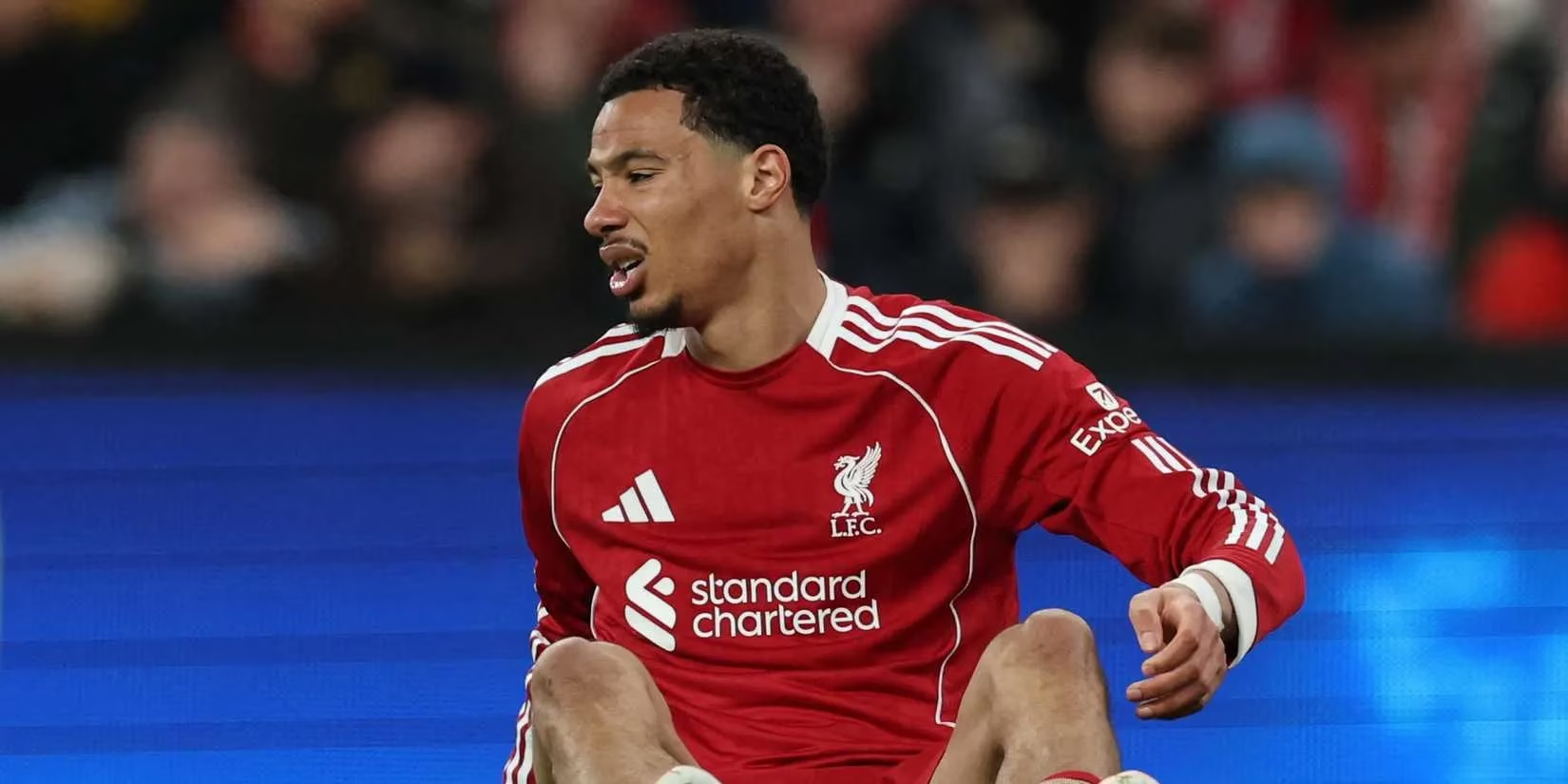
The flashpoint arrived midway through the second half when Ibrahima Konate split the Leeds defense with a surgical through-ball. Ekitike latched onto it, motored into the penalty area, and found himself in a tangle with Slovenian center-back Jaka Bijol. What unfolded was a classic Premier League tussle—Bijol’s arm wrapped around Ekitike’s torso, a clear case of ‘sustained holding’ that would have had most modern attackers tumbling theatrically. But Ekitike isn’t most attackers. He stayed on his feet, muscled through the contact, and somehow poked the ball to Florian Wirtz. The chance evaporated, and referee Chris Kavanagh waved play on, unmoved by the furious appeals from the away end.
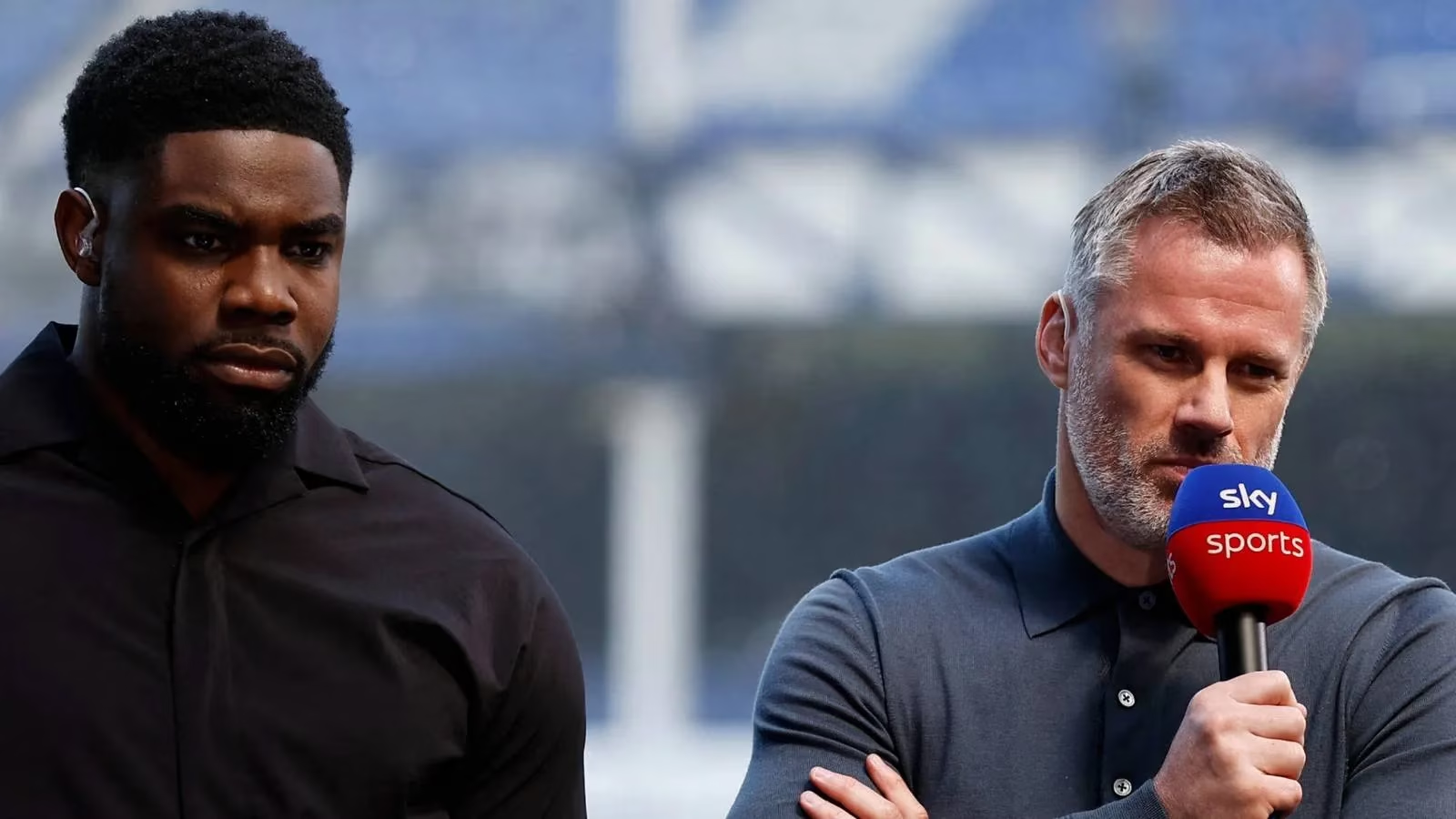
Jamie Carragher, on punditry duty for Sky Sports, didn’t mince words. “Look at him just using his body. If he goes down he probably gets a penalty, but he wanted to try and score a goal,” the Liverpool legend said, mixing admiration with a sprinkle of old-school pragmatism. Carragher knows a thing or two about the dark arts of defending, and he conceded that Bijol had done just enough to escape the whistle. “I think the defender probably does enough to make sure he doesn’t give a penalty away.” In other words, it was a classic case of a forward being punished for playing it straight.
Micah Richards jumped in with his own two cents, reinforcing the notion that VAR might have intervened had Ekitike simply taken a tumble. “I think it was sustained holding, but I think because Ekitike is so strong, he does ever so well. If he goes down, he probably would’ve looked at it,” Richards said, almost sounding like a big brother telling his younger sibling to wise up to the game’s ugly realities. It’s a bitter pill to swallow: play fair, get nothing; flop, get a spot kick.
The VAR booth stayed silent, likely because the on-field decision wasn’t deemed a clear and obvious error. Yet anyone with a pair of eyes could see Bijol’s grip lasted far longer than a fleeting tug. Referees are taught to punish prolonged holding, but there’s an unspoken caveat—if the attacker doesn’t go down, the threshold for intervention skyrockets. Ekitike’s honesty effectively kicked VAR out of the conversation.
Arne Slot, ever the straight shooter, echoed the frustration in his post-match presser. The Dutchman didn’t blame his player; if anything, he doubled down on the club’s philosophy. “No, it wasn’t a penalty, because he stayed on his feet. If he had fallen down it would probably have been a penalty but this season so many times when we were fouled we did not get a penalty.” Slot’s words carried the weight of a man who feels his team’s principles are being exploited. Earlier in the campaign, he’d christened this Liverpool side “the most honest team in the Premier League,” and this incident seemed to burn that label even deeper into the squad’s identity.
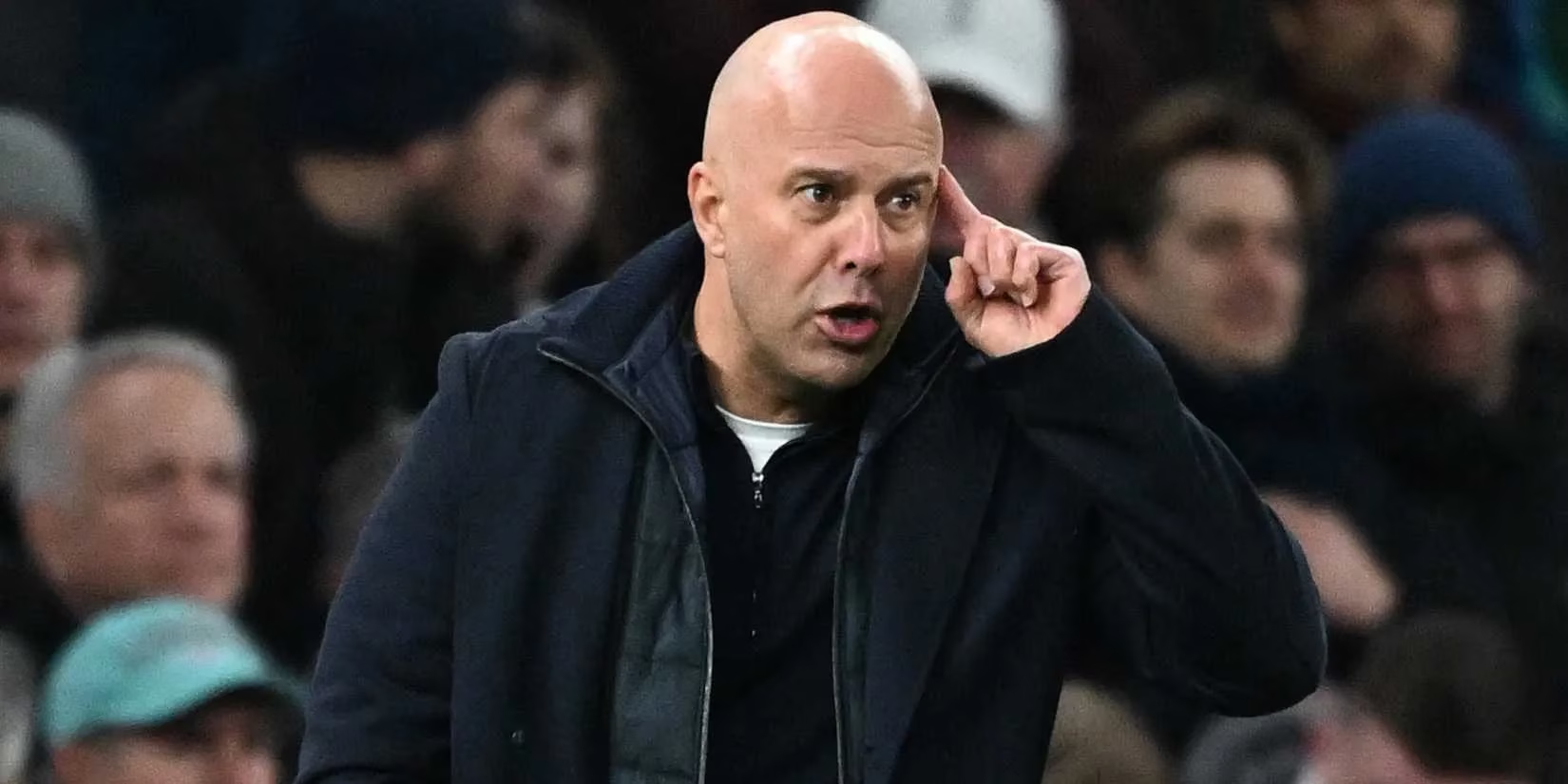
The statistics back up Slot’s simmering anger. As of this match, Liverpool had been awarded just one penalty in the 2025/26 Premier League season—a baffling figure for a side that dominates possession and camps in the opposition half. “For the team with most ball possession, it is surprising,” Slot remarked, his tone dripping with irony. He recalled the Brentford away fixture where Cody Gakpo was bundled over, only to be told to play on. The message from officials seems crystal clear: go down or go home.
This isn’t a new dilemma, but it stings harder when a genuine title race is on the line. Liverpool’s three-match winning run screeched to a halt against a Leeds side that defended with their lives, and Ekitike’s back-to-goal strength was one of the few bright spots. Others, like Wirtz, were about as effective as a chocolate teapot. The defending champions looked leggy, and the result felt like two points dropped rather than one gained.
Slot’s refusal to demand theatrics is commendable, but the Premier League’s officiating ecosystem might force his hand eventually. When players are consistently penalized for staying upright, the incentive structure warps. Richards and Carragher, both hardened by years of top-flight battles, seemed to understand the unspoken rulebook better than most. Their consensus was simple: Ekitike had done everything right except the one thing that actually matters in the modern game—selling the foul.
As Liverpool prepare to host Fulham on January 4th, the question lingers: should the Reds start playing the game, or keep playing the ball? For now, Slot is holding firm. “We keep doing the same things. I don’t believe that over a season you get what you deserve, but in a long time, two, three, four seasons, then I believe in it,” he said, a philosophical nod to cosmic justice. Talk about playing the long game—literally and figuratively.
The Ekitike incident is a Rorschach test for football purists. Was it a stonewall penalty denied because the forward refused to cheat? Or a fair no-call because the defender’s contact didn’t actually impede the pass? Law 12 doesn’t require a player to fall, but the application of it often does. Until the system adjusts, Liverpool might just have to accept that time to time, honesty leaves you empty-handed. And that’s a harsh fact even the most diehard Kopite can’t shrug off.
While the debate over football tactics and referee decisions continues to swirl around the Premier League, fans and players alike often seek solace in other pursuits. For those who enjoy diving into the world of video games, staying updated on the latest prices and deals can be as strategic as any football match. Whether you're looking for a new sports simulation or an immersive RPG to balance out the tension of real-life matches, having a reliable resource can make all the difference in securing the best bargain.
That's where a game price tracker comes into play. By offering insights into current promotions and discounts, DealNest provides gamers with the tools they need to make informed purchasing decisions. Much like analyzing a team's performance on the pitch, understanding market trends in gaming can lead to rewarding outcomes. So, as Liverpool strategizes their next move on the field, why not explore how to optimize your gaming purchases off it?