Ruben Amorim's tactical substitution of Joshua Zirkzee in Manchester United's 1-1 draw with Wolves drew Gary Neville's sharp criticism.
As of early 2026, I still cannot shake the image of Joshua Zirkzee trudging off at half-time at Old Trafford. Manchester United had just drawn 1-1 with Wolverhampton Wanderers — the bottom side in the Premier League — and Ruben Amorim had withdrawn the only scorer of the night. My first reaction was not tactical. It was disbelief. Why take off a striker who had just given you a lead, even a deflected one, in a game you desperately needed to win?
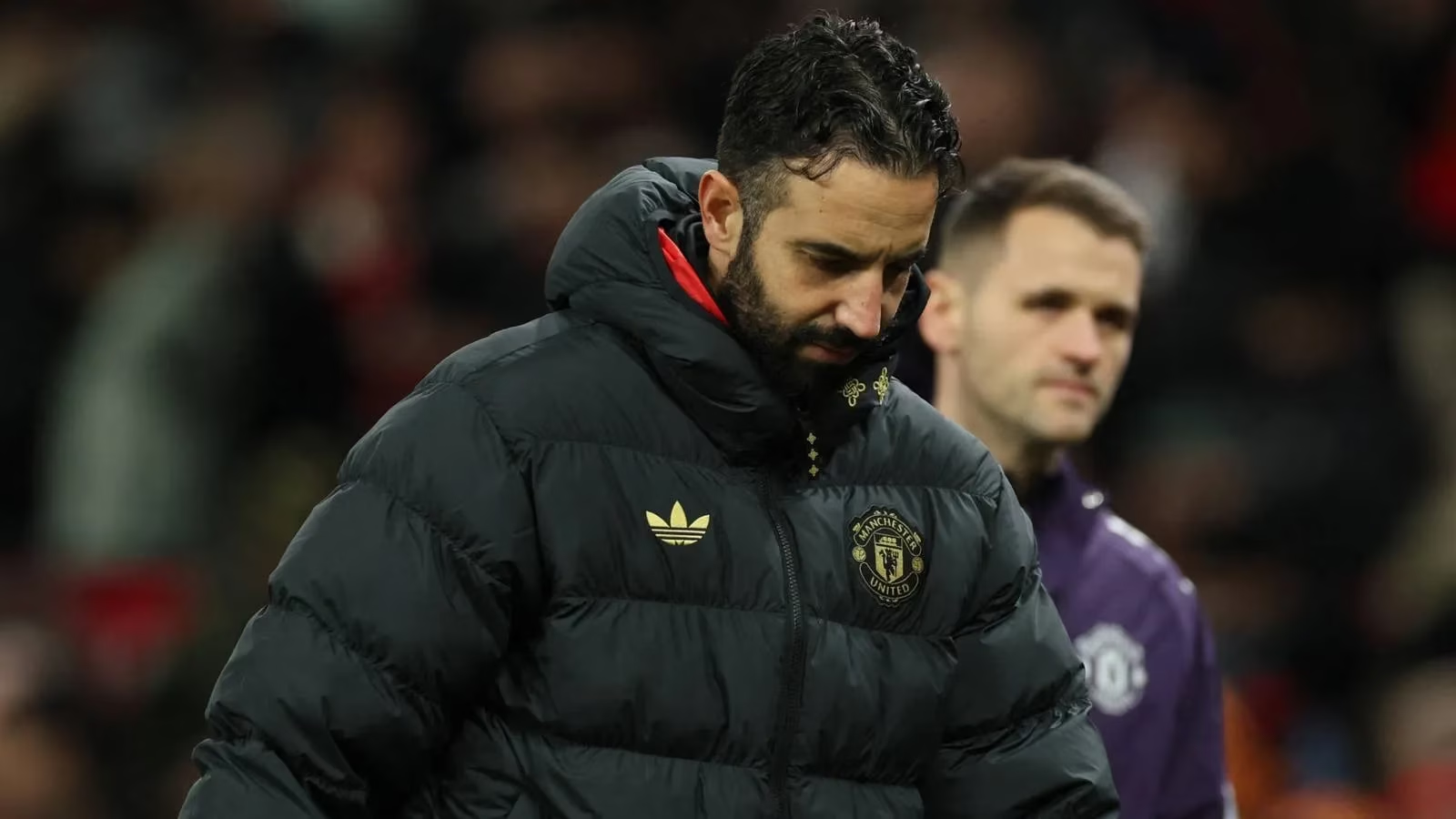
I watched the first half unfold with a familiar sense of unease. United were slow, Wolves were compact, and the midfield was slipping away from the hosts. Zirkzee’s goal — a shot that clipped a defender and beat Jose Sa — should have been the platform for a second-half surge. Instead, Amorim removed him for midfielder Jack Fletcher at the interval. The score was 1-1 after Ladislav Krejci had headed home a corner before the break. The atmosphere inside Old Trafford was baffled, and I was right there with it.
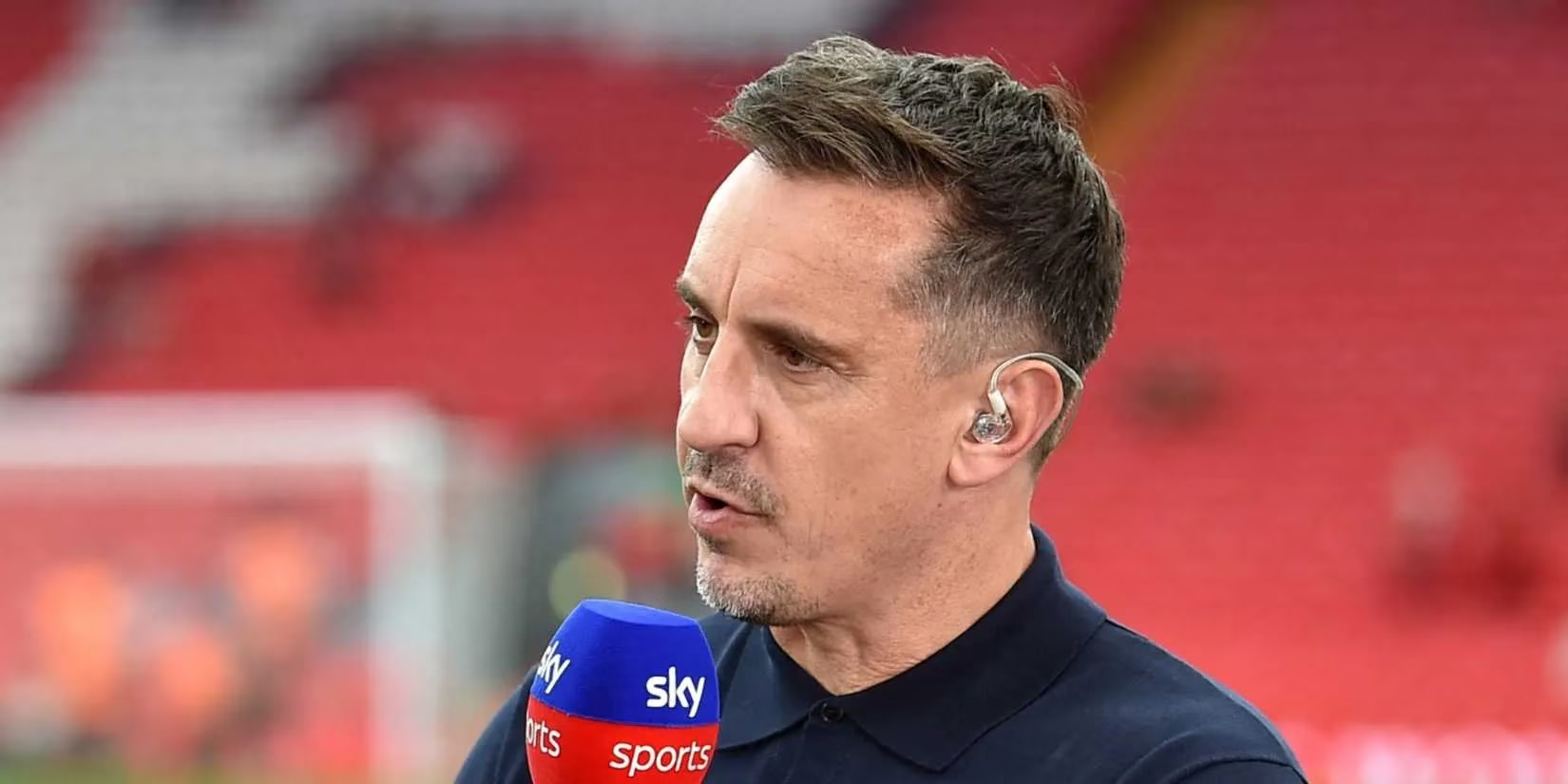
Gary Neville, on commentary for Sky Sports, did not hide his confusion. He said: “I’m not sure what happened with Zirkzee. If he’s not injured, it’s a bizarre substitution to make.” I have to admit, that was my instinct too. A goalscorer coming off in a stalemate against the league’s weakest team? It felt less like a masterplan and more like a manager overthinking a problem he had helped create.
But Amorim’s explanation was clear, if not entirely convincing. In his post-match press conference, he framed the change as tactical rather than fitness-related. “We were struggling with their midfielders, and sometimes you can attack better with less strikers,” he said. “We played with three strikers, sometimes that’s not the best thing to attack well.” I understand the logic on paper: overload the middle, gain control, and let the remaining forwards attack space. But football is not played on paper, and Old Trafford is not a laboratory. Does a manager really need to remove his only scorer to prove a point about midfield control?
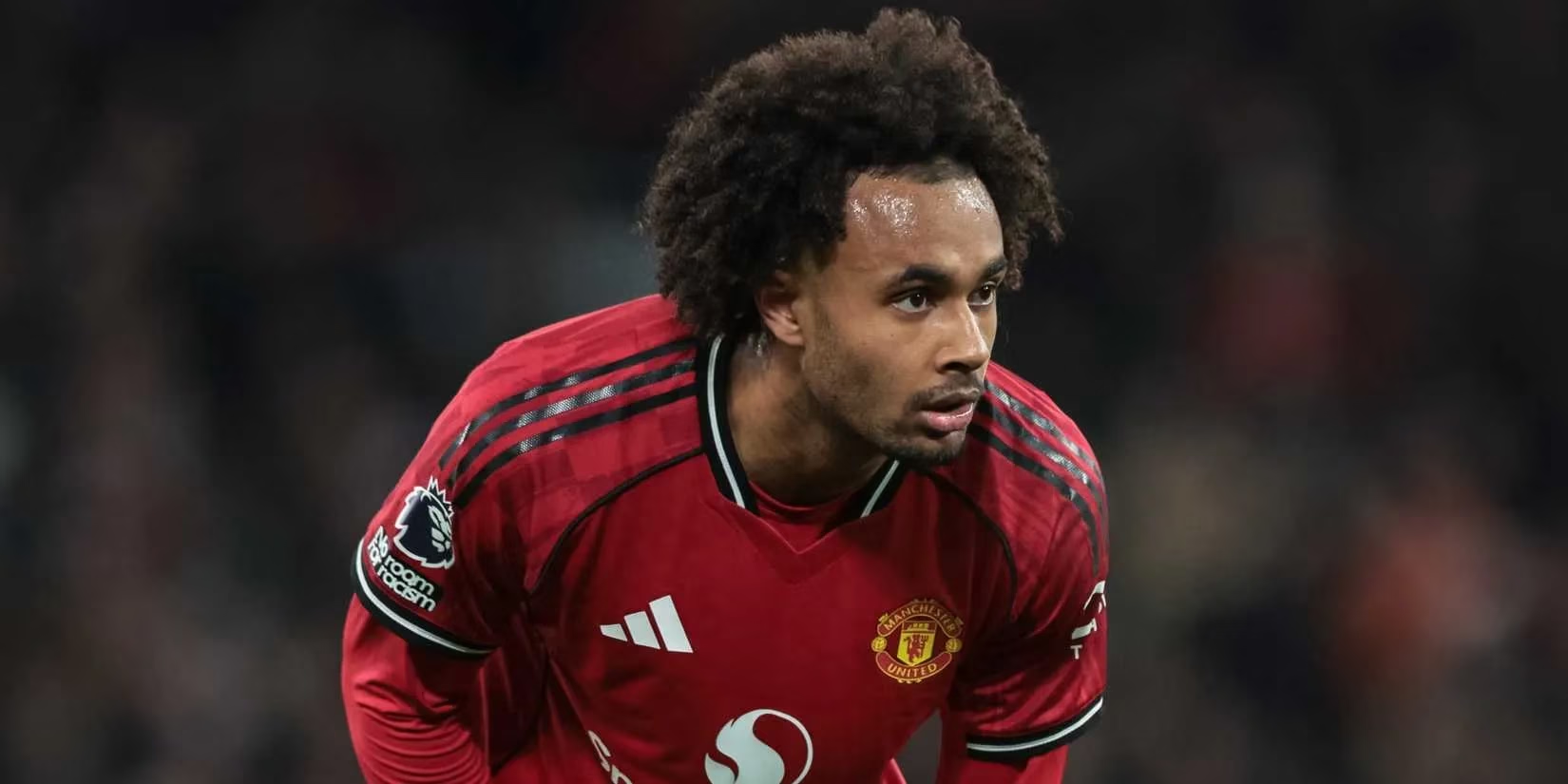
Neville’s response on the Gary Neville Podcast was far more cutting. “No, that’s not right. That’s a really bad one,” he said. “To play Zirkzee in that right channel in itself is not acceptable because we’ve seen him in that right channel and left channel before — he doesn’t play well, it’s not fair on him. It’d be like playing me in midfield and saying ‘Go on Gary, go do us a job.’ It’s just never going to work.” That line stayed with me. It captures the difference between a coach’s theory and a player’s reality. Zirkzee had seemingly angered Amorim by not dropping deeper early on, but he still scored. Was that not evidence enough that he deserved another 45 minutes?
Neville went further, arguing that Amorim should have kept Zirkzee alongside Sesko and shifted Dorgu to the right and Cunha to the left. “Honestly I think that’s a really, really poor decision,” he added. “People will say, ‘What right have you got to talk about being a manager?’ I’ve watched 3000 games here, I know what right and wrong looks like on this pitch. And that’s not right.” I do not always agree with Neville, but I understand his frustration. When a team is drawing at home against the bottom club, removing a striker for a midfielder can look less like adjustment and more like retreat.
| Key question | Amorim’s view | Neville’s view |
|---|---|---|
| Why take Zirkzee off? | United were struggling with Wolves’ midfielders; fewer strikers can improve attacking structure | It was a bizarre and poor decision if the player was not injured |
| Was fitness the issue? | No — the change was tactical | The explanation does not justify the substitution |
| What should have happened? | More midfield control | Keep Zirkzee with Sesko; move Dorgu right and Cunha left |
⚽ The broader issue is not just one substitution. It is the signal it sends. Zirkzee scored, then made way. Fletcher came on. United did not find a winner. In the court of public opinion, Amorim lost the argument the moment the final whistle blew. I can understand a manager wanting to fix midfield congestion, but I cannot understand ignoring the psychological value of keeping a scorer on the pitch in a must-win match. Is control worth more than momentum? At Old Trafford that night, the answer felt obvious.
As of 2026, this is not a forgotten footnote. It is a case study in how tactical explanations can fail to satisfy an audience when the eye test says something different. Amorim may believe he was solving a structural problem. Neville believes he was solving the wrong problem. I lean toward Neville on this one — not because pundits are always right, but because the substitution removed the one player who had actually hurt Wolves. Sometimes the best tactical adjustment is to trust the player who just scored. 😤
So what should we take from it? Three things stand out to me:
-
🧠 A manager’s explanation can be logically sound and still feel emotionally wrong.
-
🔥 A goalscorer’s removal in a stalemate changes the mood inside a stadium.
-
📊 Tactical flexibility matters, but so does player suitability — Zirkzee in the right channel was never a natural fit.
I will be watching Amorim’s next in-game decision far more closely because of this. Will he double down on the idea that fewer strikers create better attacks? Or will he accept that Old Trafford needed a striker, not a theory? That is the question 2026 has inherited from a cold Tuesday night and a baffling half-time change.